Released June 13, 2022
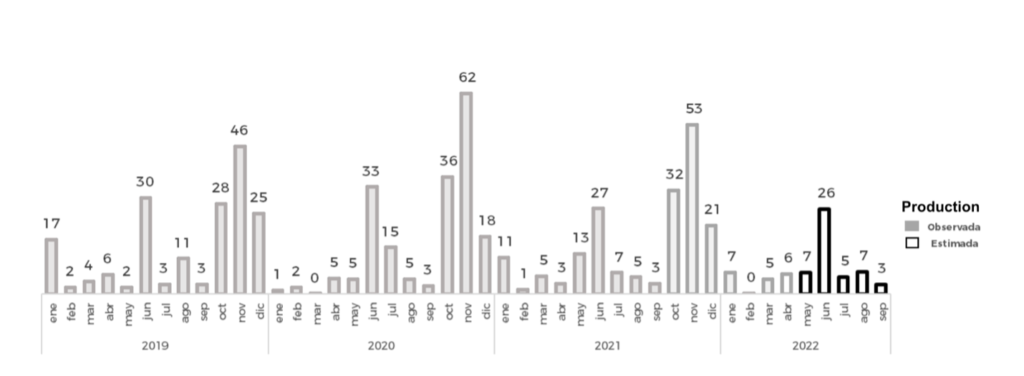
SIAP (Servicio de Información Agroalimentaria y Pesquera) reported that at the end of the 2021 Spring-Summer Cycle, paddy rice production reached 161,291 MT equivalent to 106,129 MT of white rice, 18% less than the obtained in the same period last year.
Until April 30, 2022, in the 2021/2022 Fall-Winter cycle, 19% of the planted areas had been harvested obtaining 16,562 MT of paddy rice equivalent to 10,898 MT of white rice, with the State of Michoacan, contributing with 78% of the harvest so far.
For the new 2022 Spring Summer Cycle, it is expected that planting will reach 32,613 hectares, expecting a production of 201,632 MT of paddy rice / 132,674 white rice.
In the full commercial year October 2021/ September 2022, the Mexican government expects a production of 170 thousand MT; Imports around 1.03 million MT; exports around 12 thousand Mt and a consumption of 1.18 million MT, leaving a final inventory of 112 thousand MT in September 2022.
Prices paid to producers in April 2022 were 5,380 MXP / US$374.24 per MT, 24% higher than in April 2021. Wholesale reference price was 19.75 MXP /US$9.87 per kilo, 5.3% higher than in April 2021, and price to consumer reached 33.15 MXP / US$16.50 per kilo, 4.5% higher than in April 2021.
Submitted by Raul Caballero, USRPA representative in Mexico
July 15, 2022
In This Issue:
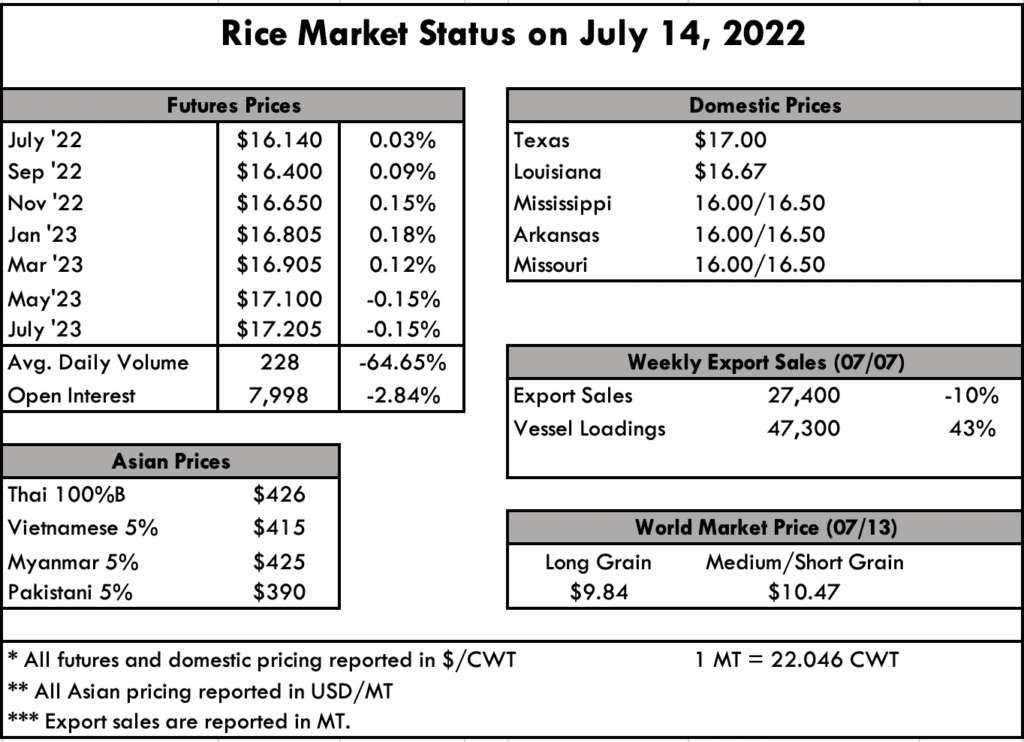
In virtually every rice growing state, the cash market continues to be stagnant, similar to the nearby futures contract which has basically traded sideways since the beginning of the month.
Based on the USDA crop progress report, the crop is in generally lower condition than last year. Currently 75% of Arkansas’ rice is in either good or excellent condition compared to the 88% at this time last year. As for rice headed, the two crop years are on parity with each other. Along the gulf coast of Texas and Louisiana a number of farmers began draining fields a few days ago and unless someone isn’t already cutting this week, then next week for sure, assuming the weather continues dry.
Globally, all eyes are still on Asia where rice demand is believed to be stronger due to the Russian & Ukraine wheat fallout. As the Middle East and North African markets hunt for alternative calories, rice is expected to become one of the key substitutes in this normally heavy wheat consuming region. Another factor that can place strain on the world rice market pertains to the fertilizer issue. Growers in Asia were clearly forced to ration fertilizer on higher prices, but the effects of those agronomical decisions have yet to be seen. China is already reporting increased pest and disease problems with its rice crop and Thailand anticipates lower yields due to the inflated fertilizer and chemical costs. Since the Russia invasion, rice prices have remained rather stable when compared to wheat and corn. However, the last time the grain trade was this disrupted was in 2008, when rice prices ran past $1000 per ton, nearly twice the current value.
For the past year, India has sustained the lowest long grain export prices in all of Asia; according to the USDA Grain: World Markets and Trade report that may change in the months ahead as India, along with Pakistan and Cambodia brace for increased demand. The high domestic prices in Vietnam are pushing traders to source more and more rice each week from India, which should eventually strengthen India’s prices. Pakistan, a large wheat producer and consumer, has been afflicted by hot and dry conditions which will ultimately lead to lower output for both rice and wheat. The European Union is also grappling with severe drought which will force the region to boost imports in 2022/23. Overall, global rice stocks are set to decline in 2022/23 while the global rice trade is forecast to expand.
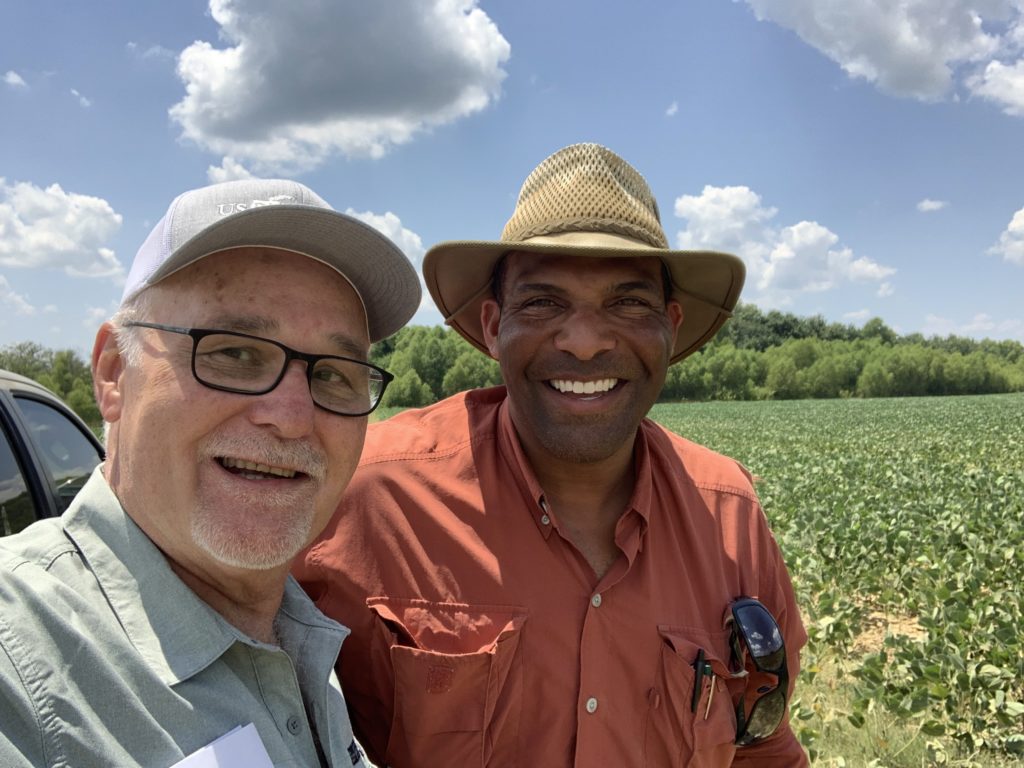
Arkansas - A Visit with PJ Haynie, Arkansas River Rice
Last week in Arkansas, USRPA Advisor Dwight Roberts enjoyed a visit with PJ Haynie, Chief Executive Officer for Arkansas River Rice, a rice mill located near Pine Bluff. PJ also farms rice, soybeans, and corn just west of the town of Marvell, Arkansas. A graduate of Virginia Tech, PJ is a fifth-generation farmer, growing up in northern Virginia where Haynie Farms owns and operates a transportation company that specializes in food grade logistics in addition to farming corn, wheat, soybeans, and canola. PJ currently serves as the Chairman of the National Black Growers Council. PJ and his wife Dr. Lisa Haynie reside in Reedville, VA with their three children. Visit www.arkansasriverrice.com to learn more.
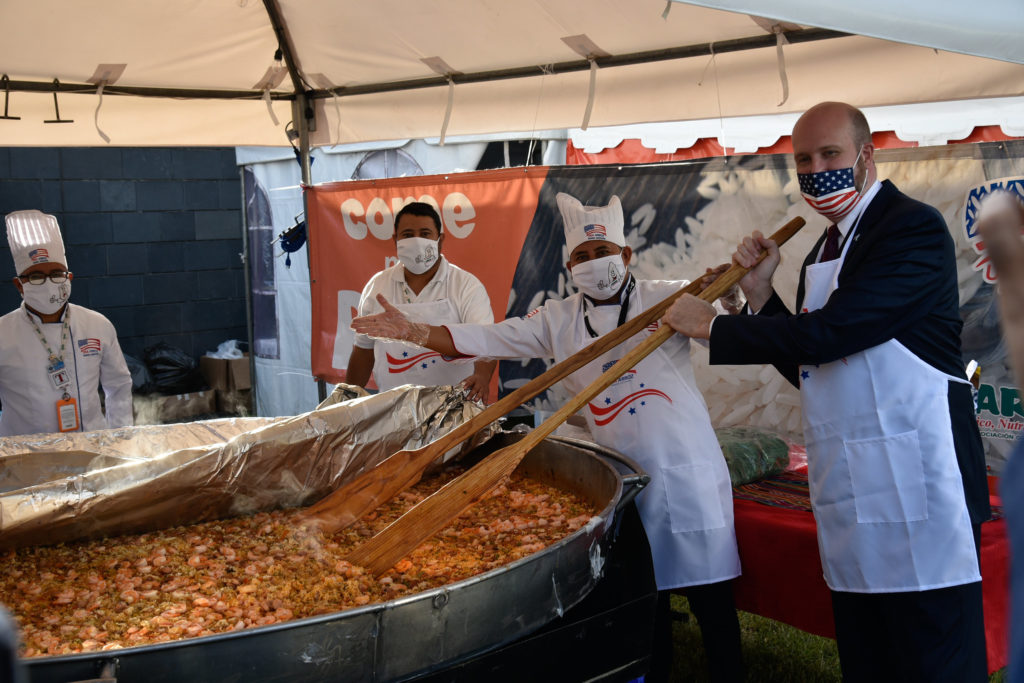

Guatemala - U.S. Embassy Celebrates 4th of July with Jambalaya
The U.S. Embassy hosted an Independence Day reception at its new state-of-the-art facility in Cayala last week. USRPA and ARROZGUA participated in the event, which included a giant pot of jambalaya made with U.S. rice. Above, U.S. Ambassador William W. Popp pauses for a photo op with some of our Guatemalan representatives.
Texas - Texas A&M AgriLife Research Center Rice Field Day
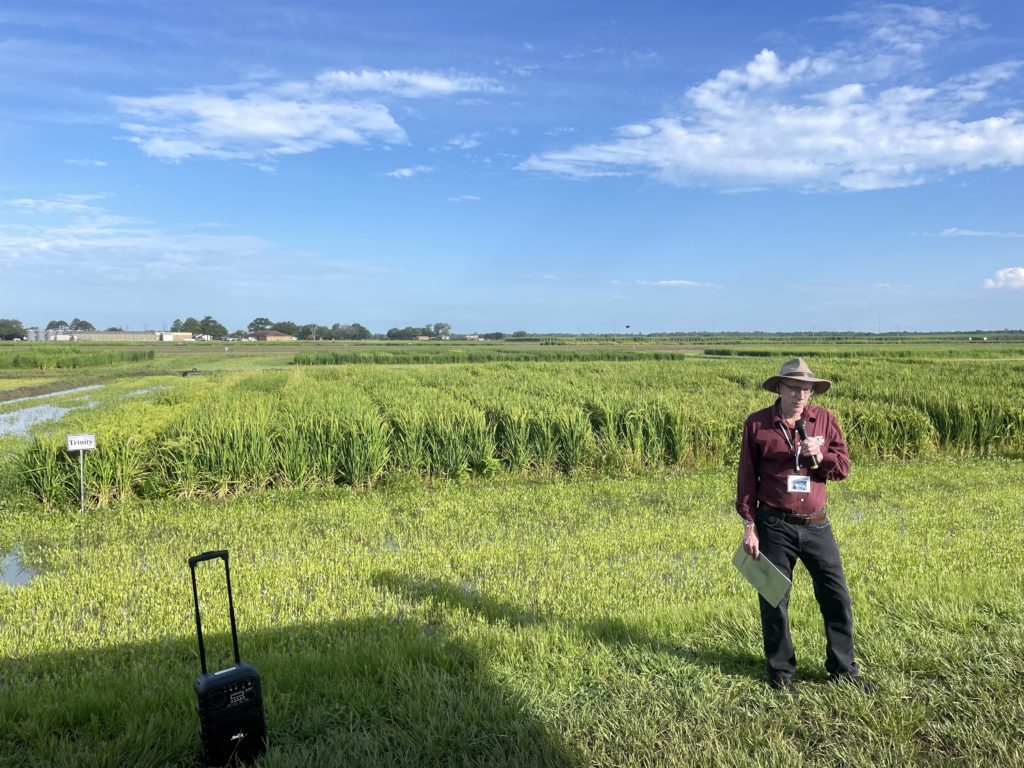
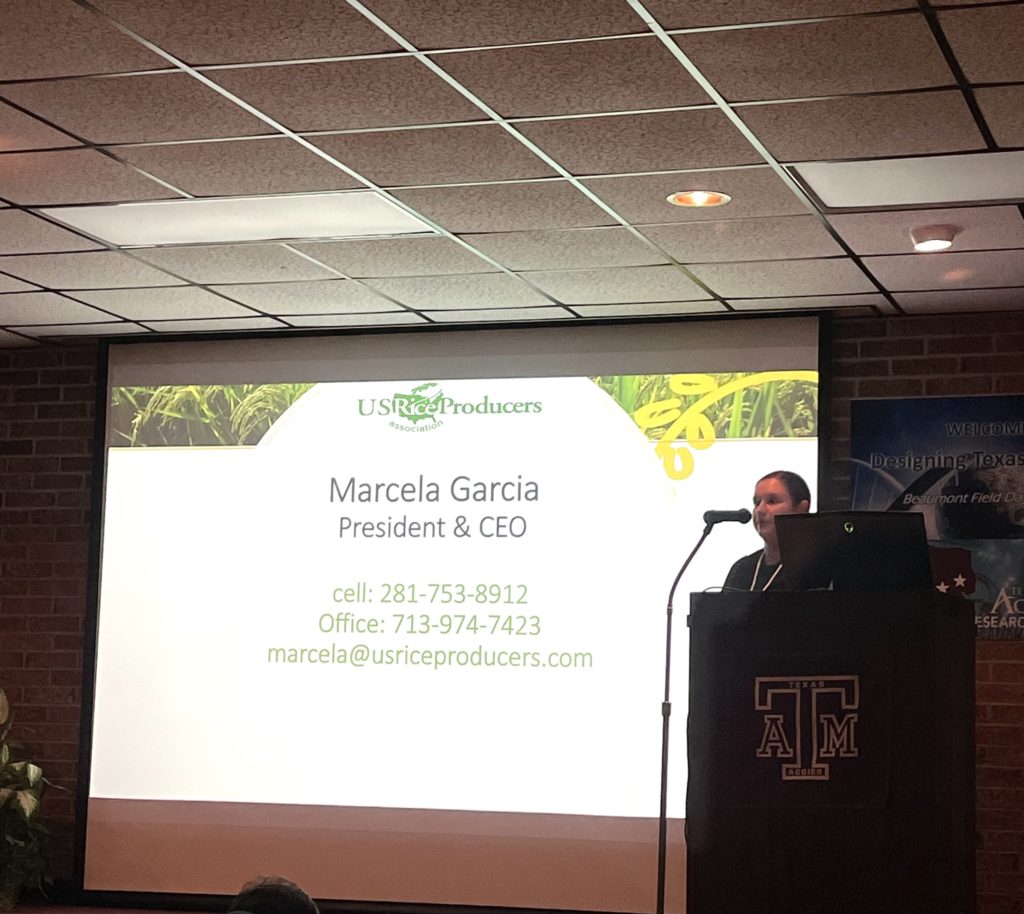
On Thursday, Texas A&M AgriLife Research Center held its 74th Annual Rice Field Day in Beaumont. In addition to updates from researchers including Dr. Lee Tarpley (pictured above), USRPA President & CEO Marcela Garcia gave remarks to the group.

This week, Iris Figueroa joined US Rice Producers Association as Office and Technology Manager. Iris completed her bachelor’s degree in Marketing at the Inter American University of Puerto Rico and received her MBA from the Keller Graduate School of Management. She has over 10 years' experience in office management and has held various administrative positions in different industries including construction, healthcare, and banking. Born in Puerto Rico, Iris is fully bilingual (English / Spanish). At a very young age her family relocated to Brownsville, Texas where she lived for five years and then returned to Puerto Rico. Iris returned to Texas in 2012 and currently lives in Richmond, TX. She enjoys spending time with her family, especially her twin girls.
The House continues work on the upcoming farm bill. This week, the House Agriculture Committee held two hearings on the bill’s forestry provisions and the state of credit for underserved farmers and Ranchers. The House Agriculture Committee announced a hearing next week on Title XI crop insurance programs. The Committee also has two upcoming listening sessions: one in Washington on July 22 and one in Minnesota on July 25. In addition, the Committee has opened a public feedback form to solicit input from producers, stakeholders, and consumers on the farm bill’s programs.
This week, members of Congress advocated to the Administration to take action to improve access to fertilizer and pesticides. First, the Ranking Members of the House and Senate Agriculture Committees, Rep. Thompson (R-PA) and Sen. Boozman (R-AR), wrote to the Environmental Protection Agency (EPA) Administrator Michael Regan to call on the EPA to cease the politicization of crop protection tools. The letter advocates for science-based and transparent regulatory processes for pesticides. This letter can be found here. In addition, over 30 Republican members of Congress sent a letter to President Biden urging him to waive duties on fertilizer imports from Morocco and Trinidad and Tobago. The letter notes the potential impacts of the fertilizer shortage on domestic agricultural production and calls on the Administration to amend current trade policy to improve access to fertilizer. This letter can be found here.
Over 20 Republican Senators sent a letter to Doug McKalip, the nominee for the chief agricultural negotiator at the U.S. Trade Representative. The letter congratulates Mr. McKalip on his nomination and urges him to provide support to domestic producers if confirmed. The letter argues that improving market access for U.S. exports would reduce some of the pressure currently facing farmers and ranchers and help the U.S. remain competitive in the global market. The letter can be found here.
July 8, 2022
In This Issue:
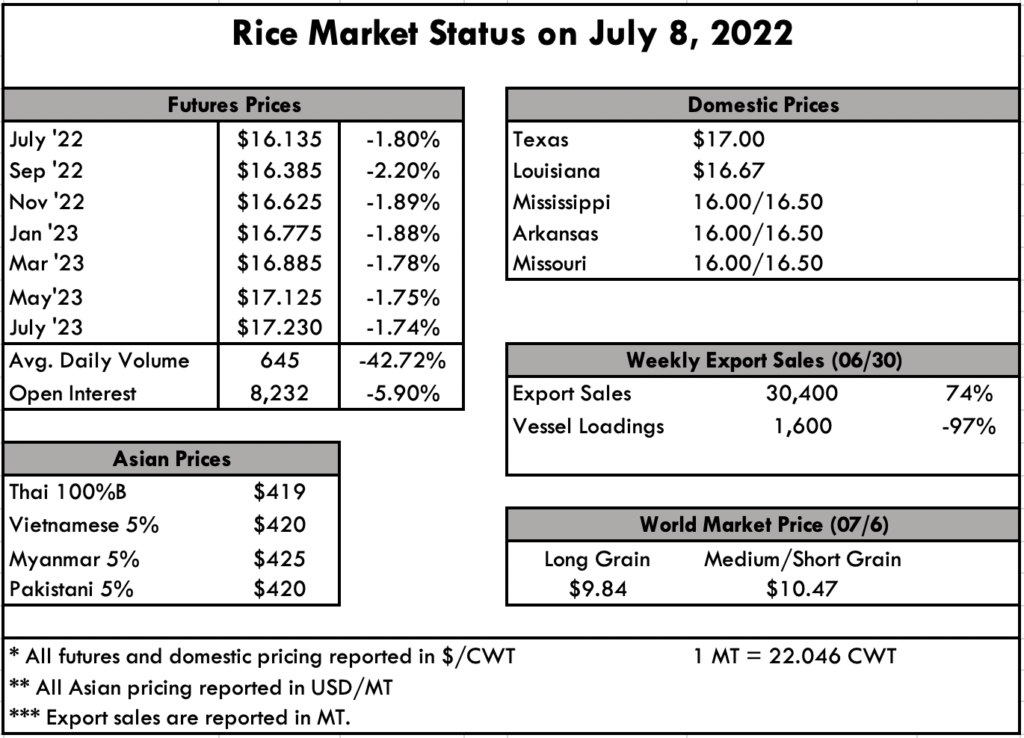
Steady as she goes. On the ground, the crop is progressing well in all regions at this point. Mississippi did have problems with planting and will likely experience a decrease in their total acres. But the crop in Arkansas is trending nicely, as is Louisiana. The heat that plagued Texas in previous weeks alleviated a bit, but industry remains cautiously optimistic. Managing weather and water conditions are always a challenge. As one farmer says, “until the crop is cut and in the bins we don’t know what we have.” The holiday week led to a quiet market environment, with little change from previous reports. Paddy prices on the farm remain high, as do milled rice prices compared to other origins in the Western Hemisphere, and even more so when compared to the Eastern Hemisphere.
The price disparity that we continue to discuss between U.S. prices and Asian prices has not yet resulted in an intrusion of Asian rice into historic U.S. markets. However, the intrusion of rice from both Brazil and Uruguay has taken a direct bite out of U.S. market share. This of course is exacerbated by the removal of tariffs from countries like Mexico to help fight food inflation. Our milled rice exports continue to be dismal, while paddy exports are holding steady from previous reports. The U.S. market finds itself in an interesting spot as trading companies are actively offering and selling Mercosur origin rice to U.S. customers like Mexico and others in Central America. All the while, the cost of inputs are so high for U.S. producers, profit margins have been squeezed to bare minimums.
A USDA GAIN report on Brazil that was published on July 1 posts a minor reduction of only 1% in expected acreage in Brazil because of decreased rainfall and increased input costs. More importantly than that small reduction, however, is that the yield is expected to decline as well—both because of decreased inputs because of their high costs, along with drier than normal weather. The higher price of corn and soybeans in the region is also pulling farmers away from planting rice in the irrigated area that comprises the majority of the rice growing region. The report projects an increase in exports in the 2022/23 marketing year by 100,000, moving from the expected 600,000 metric tons up to 700,000 metric tons, which is a 17% increase. This increase in exports directly eats into the US market share in Mexico and other Central American customers. There will be some hindrances in exports, however, that include a clogged logistics system, as well as the internal decision of supplying the domestic market while balancing exports—the reduction in acreage in the past two years makes it difficult for Brazil to supply both.
Finding a savior in a new milled rice customer is the focus of mills while service core domestic business. Farmers focus on growing their crop as they balance input costs against yields at the time of harvest.
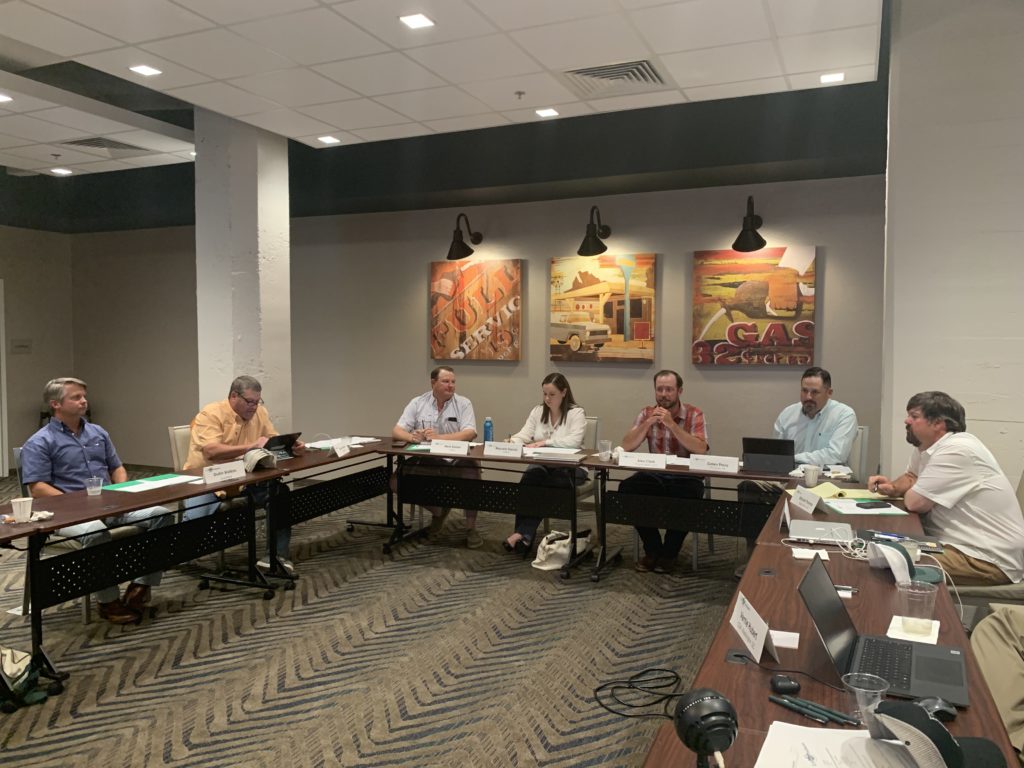
This week in Cape Girardeau, Missouri, the Board of Directors of the US Rice Producers Association held their summer board meeting that included attendance in-person as well as virtually. After reports on each of the six rice states and a financial report, Vernie Hubert and Alice Gomez from Cornerstone Government Affairs updated farmers on a number of current issues on Capitol Hill and the USDA. Marcela Garcia and Grace Wang discussed the organization’s international programs while Mollie Buckler joined them in an evaluation of the successful Rice Market & Technology Convention recently held in Cancun, Mexico. Staff from the USDA’s Foreign Agricultural Service participated in a good discussion with board members and complimented the USRPA on their progress and successes. The meeting ended with Mollie leading a discussion of the USRPA’s Farmer Exchange Program that educates young farmers on a number of challenges in the rice farming industry while conducting farm and facility visits in different states.
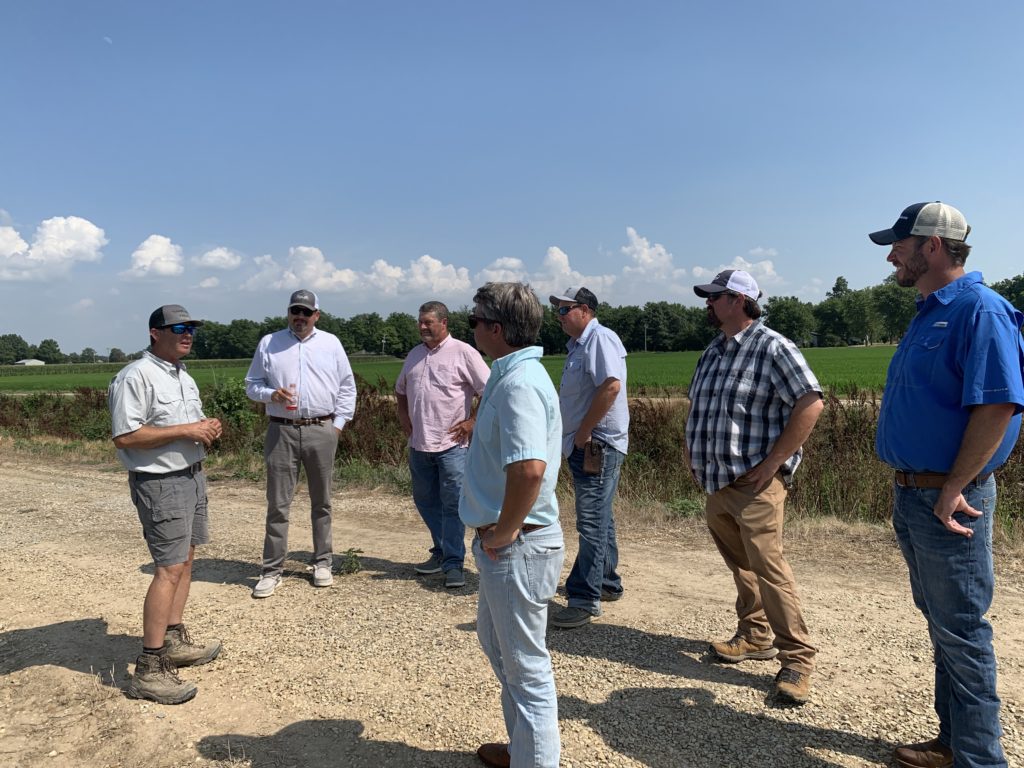
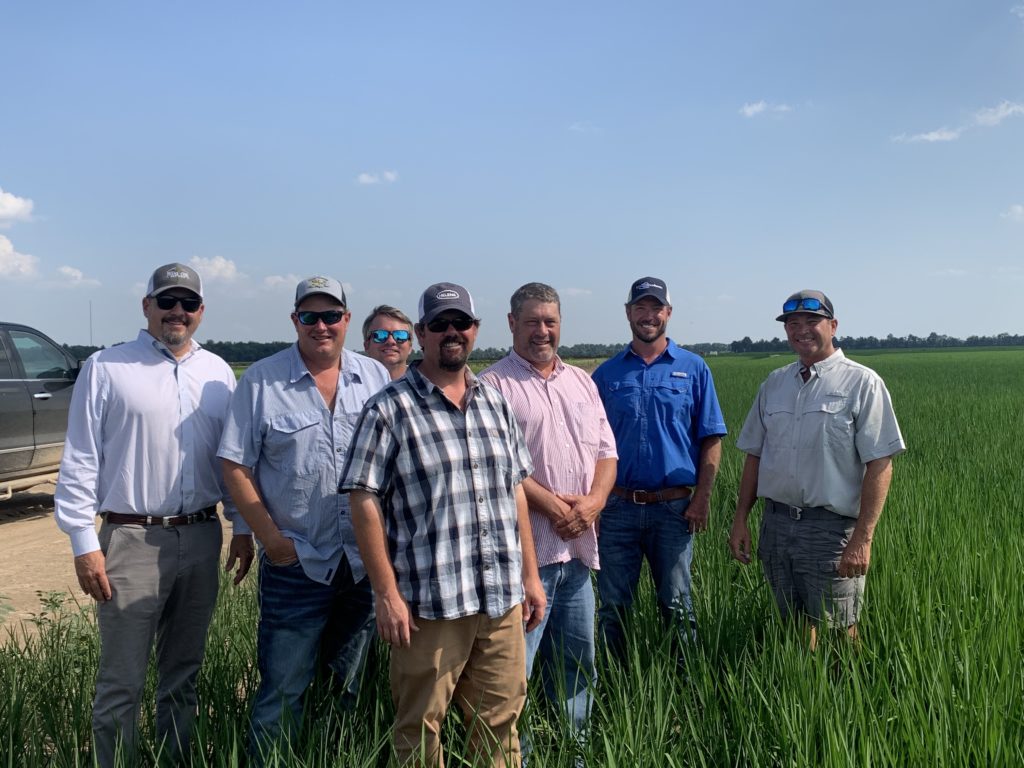
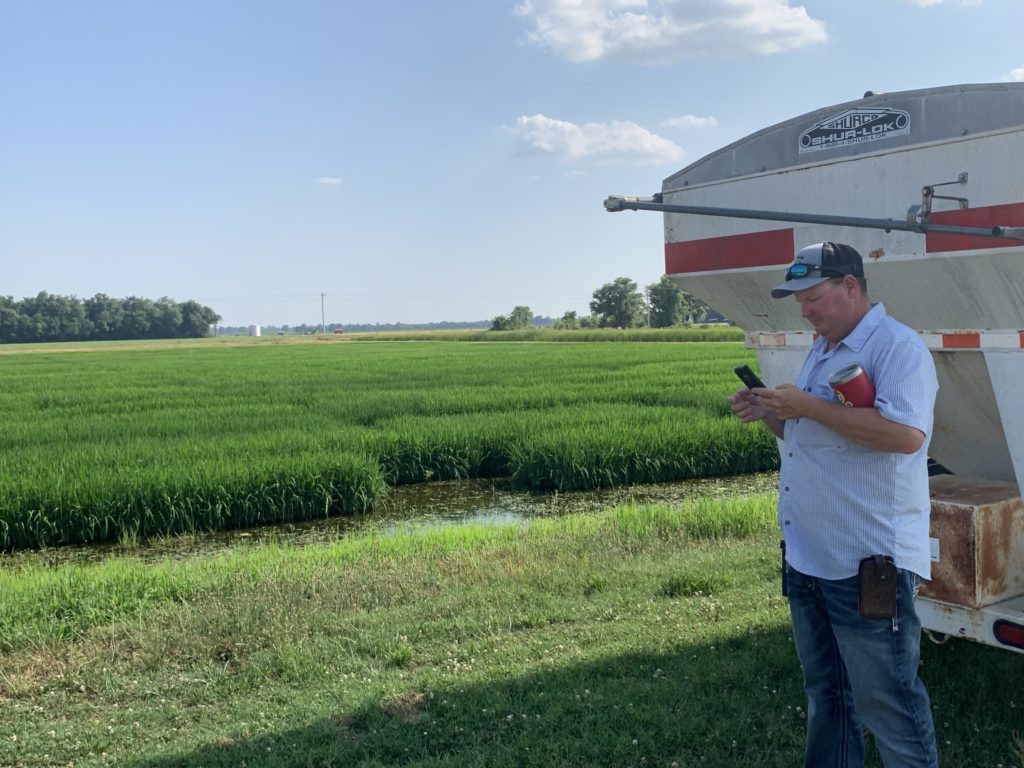
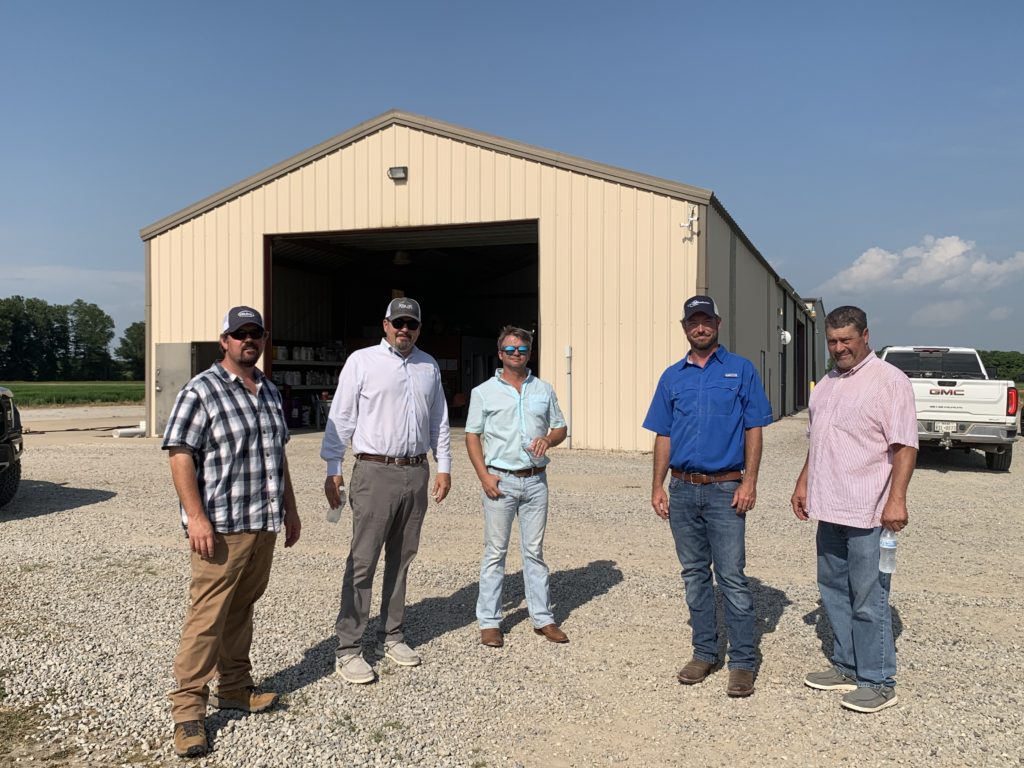
After the meeting concluded, the board members headed further into the Bootheel for a visit with Zack Tanner at Tanner Seed Company near Bernie, and a stop at the Missouri Rice Research Farm near Glennonville.
The Department of Labor sent its final rule on the H-2A temporary agricultural program to the White House Office of Information and Regulatory Affairs for approval, the final review step before publication to the Federal Register. In December 2021, the Department published draft regulations to the Register to raise required wages for farmworkers on H-2A visas. The proposed rule would also require all workers who fall within multiple job classifications to be paid under the occupation with the highest wage.
This week, a dozen House Republicans sent a letter to President Biden calling to initiate a dispute settlement case against India for violating World Trade Organization (WTO) commitments. The letter cites Indian over subsidization of rice and wheat as disruptive to global markets and US producers. The letter urges the President to file a formal request against India and to continue monitoring WTO members’ domestic support programs. The letter can be found here.
The World Bank published an article on the impacts of export restrictions on food prices and global food security. The article notes rice prices have increased by 12.3% this year as a result of export bans implemented in response to the war in Ukraine and large exporters such as India reducing their supply.

25722 Kingsland Blvd., Ste. 203, Katy, Texas 77494
Phone: 713-974-7423
USRPA does not discriminate in its programs on the basis of race, color, national origin, gender identity, sexual orientation, religion, age, disability, political beliefs, or marital/family status. Persons with disabilities who require alternative means for communication of information (such as Braille, large print, American sign language, language translation, etc.) should contact USRPA at 713-974-7423. EEO.