On Thursday, the US Rice Producers Association (USRPA) opened the application process for the second annual Ray Stoesser Memorial Scholarship, named in honor of former USRPA board member Ray Stoesser. Stoesser’s family, in partnership with USRPA, created the scholarship program to celebrate the late farmer’s legacy and support the agriculture leaders of tomorrow.
An active US Rice Producers Association board member and a third-generation farmer of more than 50 years, Stoesser was passionate about three things: his faith, his family, and agriculture. While he loved nearly every aspect of his decades-long career as a rice producer, he was particularly passionate about expanding opportunities in agriculture for the next generation.
In addition to receiving a $5000 scholarship to support their academic pursuits, the selected recipient will serve as a student ambassador for USRPA with an expectation of participating in at least two activities during the calendar year, including Field Days, legislative activities, conferences, and more.
“USRPA is thrilled to partner with the Stoesser family to create this opportunity for the agriculture leaders of tomorrow,” Marcela Garcia, President, and CEO of USRPA, said. “These students are our industry’s future and we’re proud to support them.”
Current high school seniors, undergraduate, and graduate students are eligible to apply. Applicants should have the intention of pursuing a career in an agriculture-related field. The application is now available online at usriceproducers.com/scholarship. Applications are due Thursday, December 1.
The 26th Annual National Conservation Systems Cotton & Rice Conference, the Southern Corn & Soybean Conference, the Southern Precision Ag Conference, and the Delta States Irrigation Conference are headed to Baton Rouge, LA.
Sponsored by Cotton Incorporated, US Rice Producers Association, and the production of MidAmerica Farm Publications, the event is scheduled for January 31 - February 1, 2023, at the Crowne Plaza in Baton Rouge, LA.
Corporate Co-Sponsors are: Bayer, Cargill Cotton, Horizon Ag LLC, Koch Agronomic
Services, Mississippi Water Resources Research Institute, Missouri Rice Council, Pinion (Formerly KCoe Isom LLP), RiceTec, Inc., Syngenta Crop Protection, and UPL.
Producers mark your calendar for January 31 - February 1, 2023, for what will be the most important conference to attend in 2023 if you want to increase your yields and cut your costs.
“This conference has the reputation as being the number one place where all producers can learn the latest production methods and techniques being utilized by the leading ag producers, researchers, and the ag industry in the United States,” said John LaRose, Jr. President, Publisher, MidAmerica Farm Publications.
The conference is fast becoming the leading source for Certified Crop Consultants to earn Continuing Education Credits (CEUʼs). The 2022 conference was approved for over 60 hours of CEUʼs by the Certified Crop Advisors Association. It is expected that similar CEUʼs will be offered at the 2023 conference.
Academic Partners are: University of Arkansas, Mississippi State University, University of Missouri, University of Tennessee, LSU AgCenter, Auburn University, and Texas A&M. Technical Partners are USDA-ARS centers in Oxford, MS, Stoneville, MS, and Auburn, AL.
Find registration and full details as they become finalized by visiting www.nctd.net.
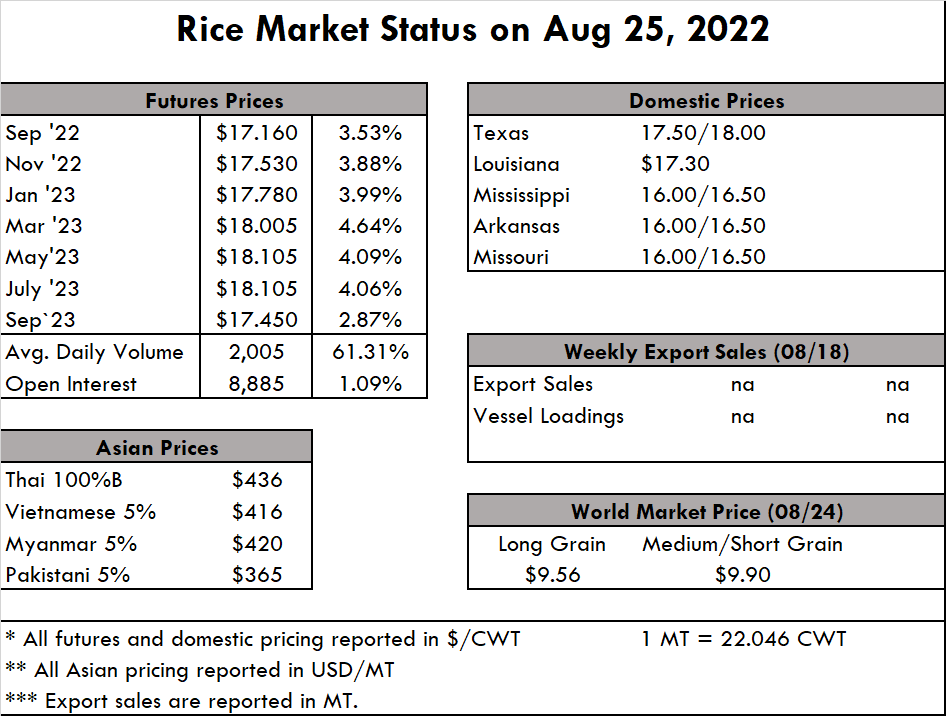
| More reports are coming in of an average to above average crop, which is great news for mills looking for head rice, and producers looking for yields. The domestic business remains steady, and the boost from Iraq is just what the mills need to keep busy through the balance of the calendar year. Prices on the ground for spot prices have remained consistent, which provides a nice backdrop for producers moving through harvest in Louisiana and Texas. Arkansas and California are looking to get in the field the first week of September, and many in Mississippi are ready to start, but untimely rains are getting in the way. Texas is getting close to being finished, with less than 25% predicted to still be in the field, while the USDA is reporting only 66% harvested this week. Yields for hybrids have been reported as strong, but some of the conventional varieties were hit by the weather which has made the harvest season difficult. Prices have held at the $17.50/$18 range for hybrids and conventional respectively. Louisiana is also receiving rains, with prices reflecting a $17.30 price this week. Overall though, harvest is progressing smoothly and yields have been strong, with the USDA showing 60% harvested, though it’s likely at least 10% beyond that at this point. Arkansas is of course behind Texas and Louisiana, with harvest expected to start in earnest the first week of September. Producers are optimistic about their crop and have confidence it will at least be average. The USDA shows the crop is 89% headed, with 24% showing fair, 53% good, and 19% excellent. In Asia, prices held steady this week in Thailand, registering at $425 pmt, and the market looking steady at these prices with plenty of supply heading into Q4. Vietnam had a significant drop, falling from $420 last week to about $405 this week on account of a brief respite in an incredibly busy schedule. The long-term demand is there, but it’s almost as if the loadings are taking a quick breather. India hasn’t slowed down and continues to ship rice at breakneck speeds at $355 pmt. As discussed before, these low prices from India have kept a lid on all rice prices in the Eastern hemisphere. The futures market has performed quite well this week, showing strong pricing and activity. The only concern here, however, is that the futures prices support only domestic pricing. There isn’t sufficient export activity at these prices, especially when considering the intrusion from cheaper origins in Latin countries that are chipping away at the historical core customer base of US long grain customers. The average daily volume was up to 2,005 this week, an increase of 61%. Open interest was 8,885, an increase of 1%. |
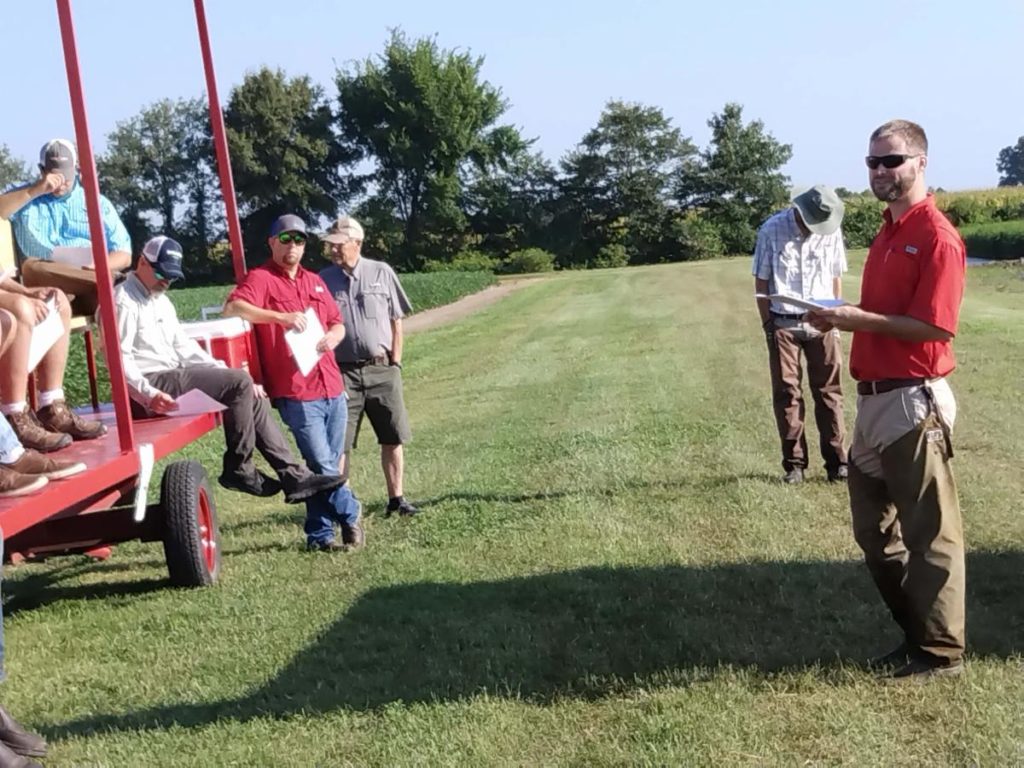
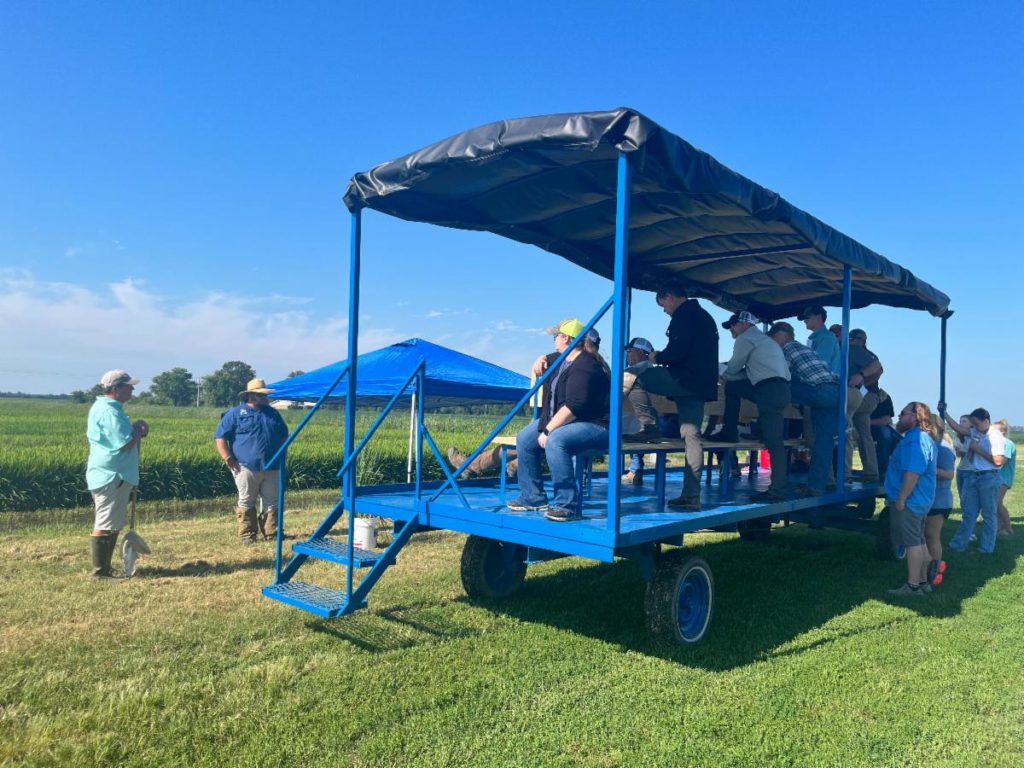
On Tuesday, the Missouri Rice Research & Merchandising Council hosted its first in-person Field Day since the start of the pandemic. Approximately 150 people gathered at the Missouri Rice Research Farm near Glennonville, MO for morning demonstrations, followed by a luncheon with guest speakers Jason Bean, Missouri state senator for the 25th Senatorial District, and Davin Althoff, Director of Marketing & Commodities for Missouri Farm Bureau. Field speakers and topics included:
The Missouri Rice Council thanks all of the attendees and event sponsors for their support of Field Day.
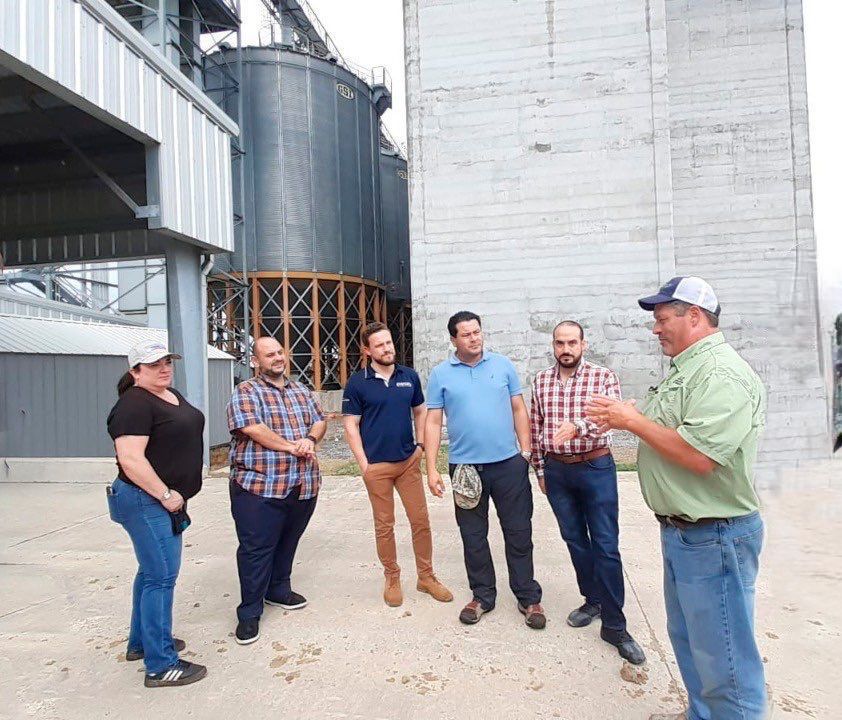
As part of the USDA's Cochran Fellowship Program, a group of six Guatemalans and Hondurans are currently participating in the U.S. Rice Quality, Marketing, and Pricing training program. The two-week program includes stops in Louisiana, Arkansas, Tennessee, and the D.C. area, and will help importers learn how to market U.S. rice products and showcase the variety and quality of U.S. rice, with the goal of increasing exports of U.S. rice to Guatemala and Honduras.
The group stopped in Lacassine, Louisiana for a tour of the South Louisiana Rail Facility on Tuesday. Mark Pousson, general manager of the SLRF and USRPA board member, hosted the tour, noting, "It was a great opportunity for staff and representatives to learn about our facilities firsthand and understand our industry.”
The fellows include Roberto Wong, Executive Director of ARROZGUA and long-time partner of US Rice Producers Association. Roberto noted that it was good for the group to be able to meet and learn from Mark directly about the success of the Louisiana rice industry.
August 26, 2022
In This Issue:
• Market Update: All Eyes Are On Harvest
• Missouri Rice Council Hosts Field Day
• Cochran Fellows Visit South Louisiana Rail Facility
• Mexico's White Rice Demand-Supply
• RiceTec Introduces New CEO & First Medium Grain Hybrid at Field Day
• Photos from Rice Country
August 19, 2022
In This Issue:
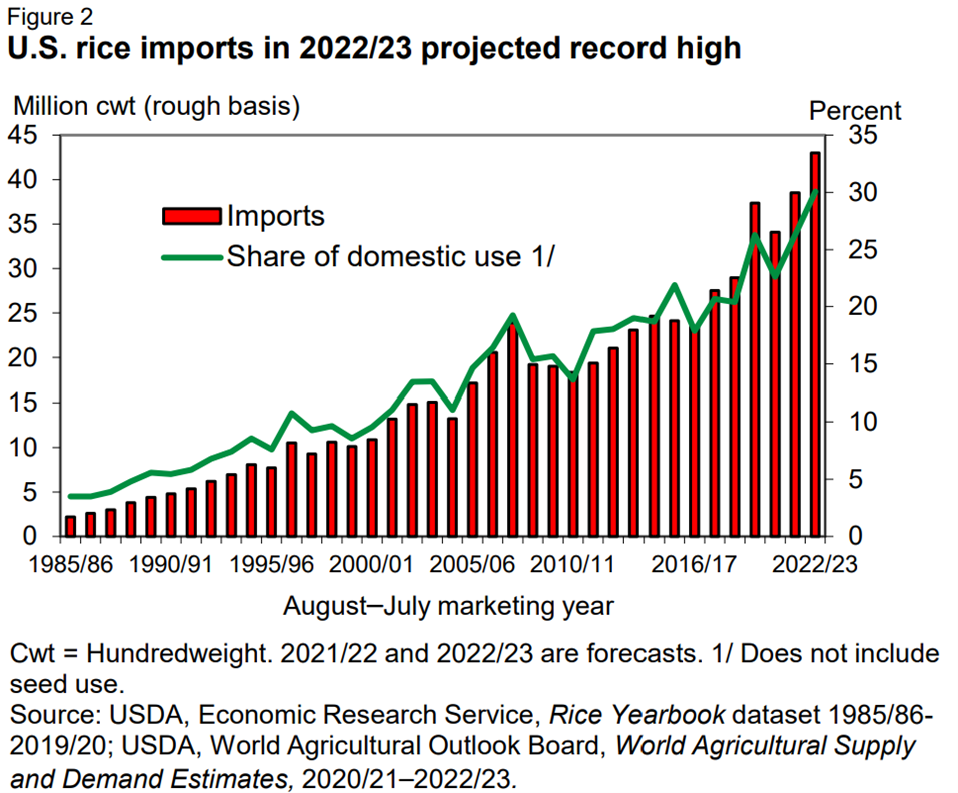
It is encouraging to see Iraq hold up to its end of the MOU with the U.S. despite prices being nearly double that of competing origins. Iraq has confirmed that they will complete their MOU with the United States and have purchased an additional 44,000 mt of US long grain milled rice with scheduled delivery in November. This will help stabilize the milling schedule in Arkansas, but the announcement of the business wasn’t enough to put upward pressure on the futures market after last week’s supply and demand report. Stocks for long grain bumped 500,000 cwt, production bumped 400,000 cwt, and ending stocks jumped by 1.8 million cwt. The announcement of the Iraqi business came at a perfect time to balance out these supply-side increases. The USDA’s July Rice Outlook raised its 2021/22 import forecast to a staggering 38.5 million cwt. That is a 13% increase in a year. Long grain increased 15% to 31.5 million. This puts imports at 30% of the U.S. domestic consumption. This is not what U.S. farmers like to hear.
On the ground, Louisiana has passed the halfway point in harvest, with qualities looking good at this point. The market is liquid in the $17.30/cwt range, but most of the focus remains on cutting. Harvest is a bit more of a struggle in Texas, where rain and wind have created problems. Several hybrid lots to date have had poor milling quality, which garnered $10 premiums, resulting in total prices below $17/cwt. Conventionals have performed better thus far, with premiums closer to $11.50/cwt. Mississippi is looking good despite their concerns earlier in the year, with 87% of the crop noted in fair to good condition, and most of the harvest expected to be complete in September. Arkansas is in a similar spot, with harvest expected to begin in September, where 17% of the crop is rated as excellent, and the remaining balance is in good to fair condition.
In Asia, prices are holding steady in Thailand after a few weeks of volatility; the price remains at $430 pmt. Iraq continues to be an active buyer there, and Thailand has been their supplier of choice for much of this year. Vietnam is significantly cheaper at $395 pmt, with the Philippines being their primary customer and exceeding all expectations at this point, as the Philippines appear to exceed the 3 million metric ton mark. India remains the lowest at $355 pmt, with the news of a potentially light monsoon not having any impact on prices at this point. Pakistan is registering at $370 pmt with its record crop of 9 million metric tons.
The Reconciliation Package that Congress passed includes approximately $18 billion for the USDA conservation programs, with a directive to “mitigate or address climate change through the management of agricultural production.” This will be broken down into our buckets, which include Environmental Quality Incentives Program, Regional Conservation Partnership Program, Conservation Stewardship Program, and the Agricultural Conservation Easement Program.
The futures market has remained relatively flat as harvest has gotten underway. Open interest this week is at 8,789, flat from last week, while average daily volume took a huge jump, up to 1,243, or 135% higher than last week.
The weekly USDA Export Sales report shows net sales of 6,500 MT this week, primarily for Canada (3,900 MT) and Mexico (1,600 MT). Exports of 17,200 MT were primarily to Guatemala (8,600 MT), Canada (3,200 MT), El Salvador (2,100 MT), Mexico (1,800 MT), and Belgium (500 MT).

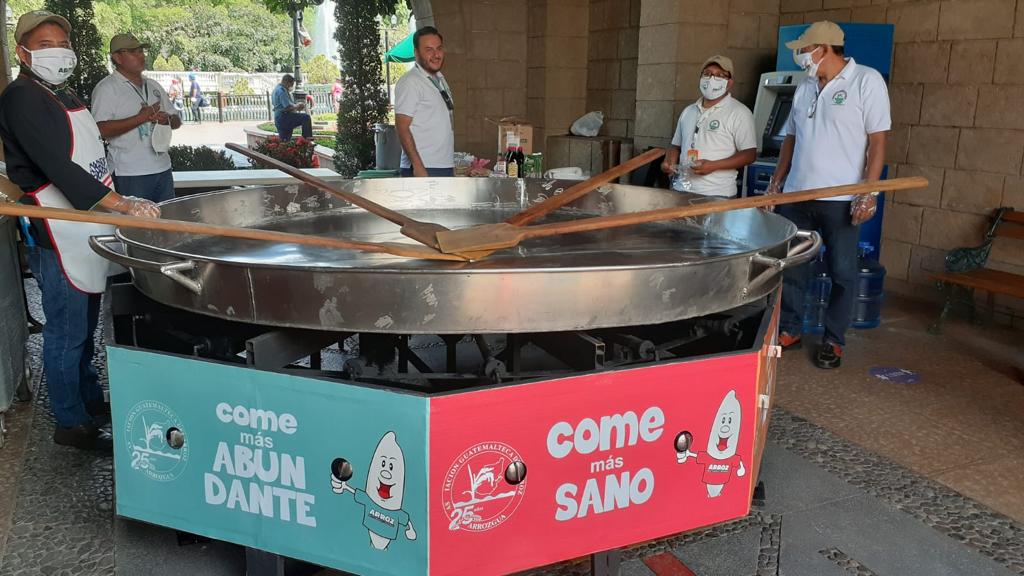
USRPA, in collaboration with Arrozgua, hosted another successful “Big Pot” event at Irtra, a theme park in Guatemala. Each day of the event, approximately 25,000 people visited the park. The tent was set up at a prominent location where they would experience and taste the rice. The recipes presented included U.S. rice with shrimp, pork, chicken, or sausage. Due to the popularity of the event, Irtra invited USRPA to conduct another live campaign at their October Fest in the fall.


Click the buttons below to access the most recent USDA reports:

25722 Kingsland Blvd., Ste. 203, Katy, Texas 77494
Phone: 713-974-7423
USRPA does not discriminate in its programs on the basis of race, color, national origin, gender identity, sexual orientation, religion, age, disability, political beliefs, or marital/family status. Persons with disabilities who require alternative means for communication of information (such as Braille, large print, American sign language, language translation, etc.) should contact USRPA at 713-974-7423. EEO.